
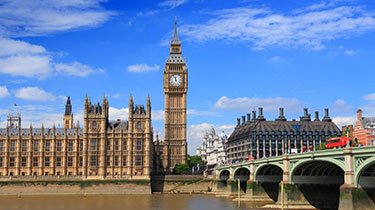
King Charles’s speech to Parliament last month heralded the new Labour Government’s priorities for the coming months.
The King outlined 40 new pieces of legislation that the Government aims to enact.
Here’s an exploration of key financial legislation from the speech and what it could mean for the next five years.
The Budget Responsibility Bill
Labour’s campaign commitment to economic stability and sound fiscal policy finds its embodiment in the Budget Responsibility Bill.
This legislation mandates that all significant, permanent changes in tax and spending undergo independent evaluation by the Office for Budget Responsibility (OBR).
The bill is designed to bolster public trust and ensure fiscal responsibility by preventing large-scale expenditures without prior fiscal assessment by the OBR.
A push for fair wages
Responding to the rising cost of living, the Government promises a revised living wage to reflect current economic challenges.
Additionally, Labour intends to abolish the existing age bands for the minimum wage, ensuring all adults receive equal pay.
Corporate accountability and governance
The Draft Audit Reform and Corporate Governance Bill proposes a new regulatory body — the Audit, Reporting, and Governance Authority — to replace the Financial Reporting Council.
This new authority will hold enhanced powers to enforce financial reporting standards and hold company directors accountable, improving public trust and financial reporting.
Key changes include:
Enhancements to pension schemes
The Pension Schemes Bill aims to improve outcomes for over 15 million private-sector pension savers.
It introduces mechanisms for consolidating pension pots from various employers, making it easier for individuals to manage their savings across different jobs.
The bill is anticipated to increase average pension savings significantly.
Driving economic growth
The introduction of the National Wealth Fund (NWF) with an initial funding of £7.3 billion marks a step towards stimulating economic growth and creating a greener economy.
The fund aims to use private investment, aiming for a return of £3 for every £1 invested, going towards major nationwide projects through partnerships with key financial institutions.
Legislative changes and local empowerment
The Government plans to devolve powers to local leaders and metro mayors, enhancing their ability to develop regional economic growth.
This decentralisation aims to tailor economic development efforts to local needs more effectively.
Financial measures and VAT
To boost educational funding, the Government will remove VAT exemptions on private school fees, which will finance the hiring of approximately six and a half thousand new teachers.
Strengthening ties with the European Union
Labour seeks to enhance the UK’s trade and investment relationships with the European Union, aiming to improve trade conditions and increase mutual investment flows, potentially bolstering business and economic expansion.
Looking ahead
As the details of Labour’s financial policies remain under wraps, the upcoming Budget on 30 October 2024 is anticipated to clarify these strategies.
Updates on these developments will be provided as they occur, along with a summary post-Budget.
For any inquiries about how these changes might affect your business or personal finances, please reach out for more detailed information.
